
If you’re planning large group activities that don’t feel like forced, awkward party games, you want options that are easy to run, fun for pretty much everyone, and memorable.
In this blog, we’ll walk through 11 easy large group activities, explain why each works for groups of varied sizes and interests, and give you honest, practical tips based on real experience.
Some activities are simple and low-stress; others are interactive and social but don’t make people feel put on the spot. Also, make sure to include choices you can actually book today, including at Montana Nights Axe Throwing (an entertainment venue with group-friendly experiences).
Why These Types of Activities Work for Large Groups
Large-group activities mean a bit of hesitation and awkwardness. Many people get the feeling of, ‘Will it be embarrassing or fun?’ These activities tend to fall into one of two groups:
- Too awkward: Ice-breaker games that feel forced.
- Too complicated: Events that require lots of gear or instruction.
The best large group activities are neither. They feel natural, give people room to be social, and let you scale up or down without stress.
1. Group Axe Throwing (Montana Nights)
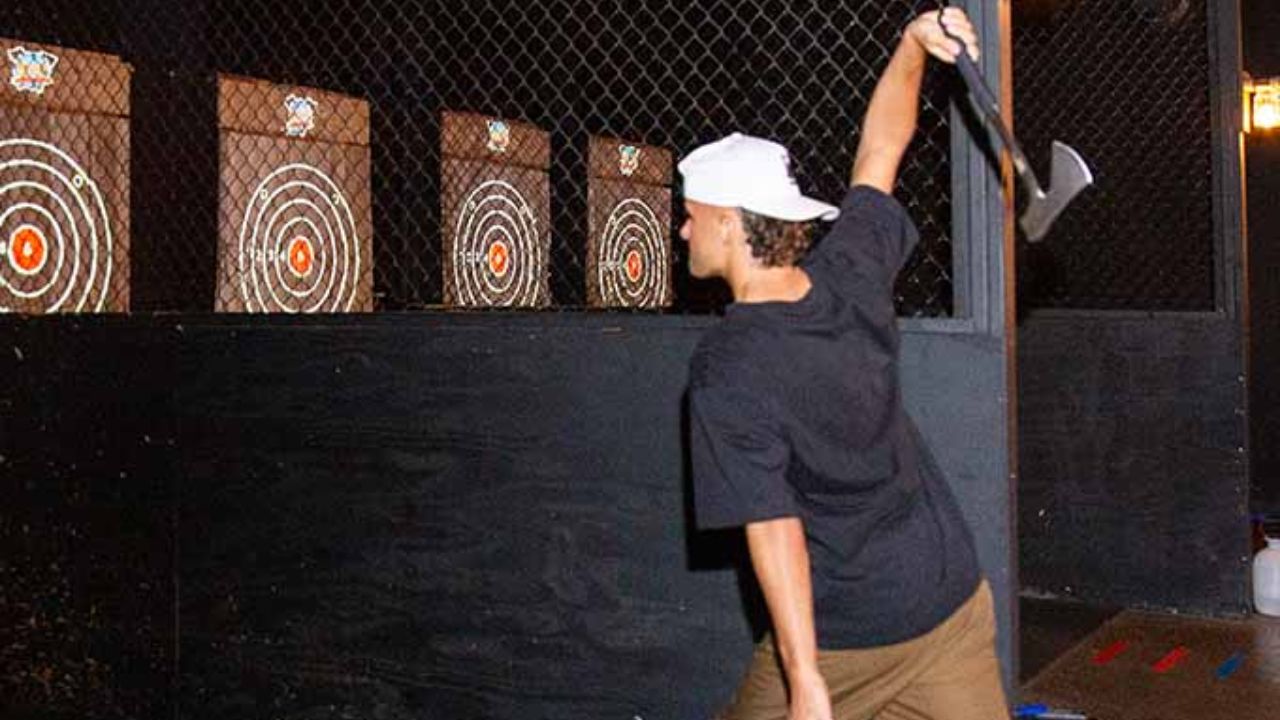
This might sound wild if you’ve never tried it, but axe throwing is surprisingly approachable and fun for all kinds of people, especially in a group setting.
Each participant gets one target at a time, so there’s no “performing for everyone” pressure, just personal focus and friendly competition.
At Montana Nights, throwers are guided through the process by trained AxeMasters who teach safe technique and run games that keep everyone engaged. They offer:
- Social pit sessions for small or mixed groups
- Private pits and private rooms for celebrations or corporate teams
- Friendly competition with built-in scoring and challenges
This works wonderfully for birthdays, team outings, and reunions because it’s interactive without feeling awkward.
2. Scavenger Hunt Around Town
Here’s one of the easiest large group activities that never feels awkward because it’s collaborative and mobile.
Break your group into teams and send them out with clues. This could be anything from a list of landmarks to quirky photo challenges.
You don’t need a host talking to everyone. You just give teams a start time, explain the rules, and let them roam. It’s especially fun in walkable areas with interesting stops like historic spots, murals, and shops.
Things to include:
- Two or three checkpoints with tasks
- Bonus creative challenges (fun photos, local treats)
- A clear finish point with refreshments waiting
3. Potluck Picnic with a Purpose
A food-centric activity doesn’t have to be boring. Assign different food categories to small clusters of participants, like appetizers, desserts, and drinks.
Ask each to bring something that represents. It can be a childhood favorite or something tied to their hometown.
Then share and eat. Sharing food is social with no pressure to perform or present.
Why this works:
- Food creates natural conversation without forced interaction
- Personal dishes spark storytelling and connection
- No spotlight pressure, making it comfortable for introverts
- Scales easily for both small and large groups
This turns a simple potluck into a meaningful group activity where people connect organically, without games, feeling awkward or competitive.
4. Team Trivia with Custom Categories
Trivia doesn’t have to be cheesy icebreakers. Build your own categories relevant to your group. These can be your favorite TV shows, inside jokes, or fun facts about participants. Set up big cards or a slideshow and hand-numbered sheets to teams.
Why this works:
- Encourages collaboration instead of solo performance
- Easy to customize for different age groups
- Flexible team sizes for large groups
Custom trivia is a great fun, large group activity that can accommodate 10 people to 60 people. The game is familiar, which lowers hesitation, and the teamwork keeps even quieter participants involved.
5. Guided Nature Walk or Easy Hike
If you’re a nature lover, pick a scenic route that’s suitable for varied fitness levels. Group nature walks are calming, give space to chat in small clusters, and require no silly games.
Who is it for:
- Ideal for mixed fitness levels
- Someone who wants an organic conversation
- Low cost and low stress to organize
Choosing an easy, accessible route ensures no one feels left behind or rushed. When a guide shares small stories about the area, it adds just enough structure to keep the group unified while still relaxed.
6. Arcade & Game Zone Mixer
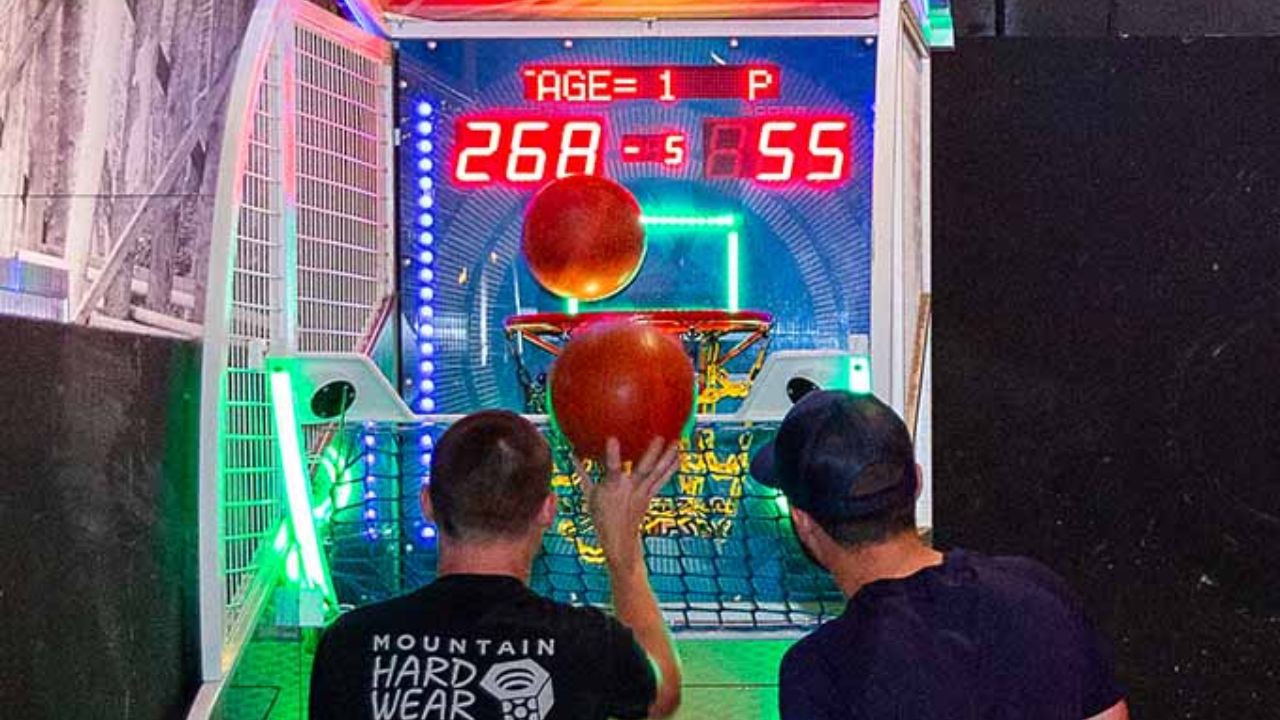
If part of your group wants something less intense than throwing axes, Montana Nights also has arcade games, like cornhole lanes, darts, pool tables, and enough space to hang out. Retro and modern games give people something to do between or after axe throws.
It’s just like a classic “gameroom hangout” but built into your group’s event schedule. People come and go, no one feels put on stage, and everyone has a choice of how engaged they want to be.
7. Photo Challenge Walk
Even without a formal scavenger hunt, you can do a photo challenge. Give groups a list of “themes” instead of items to find, like something that makes you laugh or the color red. Let them share shots at the end.
It’s creative and playful, without spotlight moments.
- Promotes creativity over competition
- Works well in cities, parks, or campuses
- Easy to organize with minimal materials
Sharing photos afterward becomes the highlight. It sparks laughter and storytelling without anyone needing to “perform” in front of the group.
8. Outdoor Movie Night with Crowd Choice Voting
Set up a projector and screen (or arrange with a local venue). Before the night, let everyone vote on movie options. Popcorn, blankets, and soft drinks make it relaxed.
During the screening, people engage at their own level. Some chat softly, others fully tune in, and no one feels out of place for choosing either.
Points to consider:
- Choose films that everyone will enjoy
- Have a loudspeaker or voting method so people feel part of choosing
- Add a trivia half-time for people who want more interaction
9. Group Cooking Challenge
Bring a few portable grills or cooking stations together and give teams a theme or ingredient to feature. Keep simple options like tacos, pizzas, or sandwiches. Since the dishes will be simple, the focus will be on fun collaboration, not culinary pressure.
What does it do?
- Encourages cooperation without forced roles
- Ends with a shared reward
- Works well for indoor or outdoor settings
In the end, when everyone eats the food together, it brings a sense of accomplishment that lingers for a long time.
10. Live Music Jam or Open Stage (Optional Participation)
This is a neat way to let people express themselves if they want to, and skip if they don’t, and make it a memorable, easy large group activity.
Set up a simple mic and a playlist of backing tracks. People can climb up for 30 seconds or just chill and cheer.
- Voluntary participation keeps comfort high
- Supports creativity without expectations
- Audience members still feel involved
This activity works because participants choose themselves. There’s no everyone must go up vibe.
11. Storytelling Circle With Themes
This isn’t “everyone stands up and talks.” Instead, pick interesting prompts (like a time you got lost or your most unexpected travel moment) and use a hat-draw system. Only those who volunteer when their name is drawn speak.
The result is often a deeper connection than expected. Listening becomes just as meaningful as sharing, and the group leaves feeling closer without realizing how naturally it happened.
- Builds emotional connection gently
- Themes keep stories focused
- No forced speaking required
How to Pick What’s Best for Your Group
- Focus on the people first, not the activity.
- Consider the overall group dynamic, including mixed ages, different comfort levels, and varied personalities.
- Choose experiences that offer freedom of engagement.
- Avoid overplanning. The most memorable large group experiences often feel effortless, even though they are thoughtfully arranged behind the scenes.
- Measure success by how people feel afterward. If the group describes the experience as easy, relaxed, and genuinely fun, the choice was right.
Tips to Run These Smoothly
- Break the group into smaller teams. Large groups can be intimidating; small teams feel doable.
- Give clear, short rules. Make sure everyone knows what’s expected.
- Keep time reasonable. 60–90 minutes per activity usually feels perfect.
- Rotate spots or roles. It keeps energy up and lets people try different things.
Turning Large Group Plans Into Shared Memories
To be honest, the best large group activities rarely feel like activities. They feel like moments where people forget to check their phones, laugh without trying, and leave with stories they actually want to retell.
Whether it’s a guided axe-throwing session, a casual arcade hangout, or a simple shared challenge outdoors, the magic lies in creating space for people to connect in their own way.