
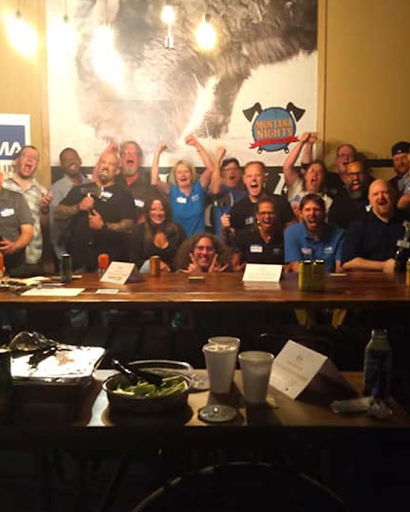
An axe throwing corporate event brings coworkers together through shared games, new skills, and friendly team play. At Montana Nights, guided throwing can anchor your next work outing. Food, drinks, and games can help round out the plan. The key is choosing a format that fits your team.
Will first-time guests feel at ease? Can people join without the pressure to win? Those questions matter more than who hits the most bullseyes. A good event gives each person a fair chance to have fun.
Why Choose an Axe Throwing Corporate Event?
A shared task gives people an easy way to start talking. There is something disarming about learning a new skill beside your boss. Job titles mean little when both throws miss the board. That shared learning curve can help break the ice.
Montana Nights has locations in Newington, Southington, Orange and Putnam, Connecticut. Its offerings include axe throwing, bar service, and food or games, with choices that vary by venue. Newington, for example, lists arcade games and billiards alongside throwing. Choose your location before you build the rest of your plans.
7 Ideas for Your Axe Throwing Corporate Event

These seven ideas are suggested formats to discuss with the venue. Ask the staff which plans suit your group and the booked session. Let the AxeMaster lead all throwing rules and instructions.
1. Start With a First-Stick Challenge
The first axe that sticks can feel like a small triumph. Make that moment the goal before you start keeping score. New guests get room to learn without chasing the strongest player. And the whole team gets a reason to cheer.
Picture a quiet new hire landing a throw after several misses. That moment can draw more warmth than a polished winner’s speech. Keep praise light, kind, and free of jokes at someone’s expense. Let each guest find their own pace.
- Ask the host to begin with guided practice.
- Celebrate first sticks as well as high scores.
- Keep early misses out of the team’s final tally.
- Let guests pass on public praise if they prefer.
2. Mix Departments for a Team Match
Work groups often spend outings with the same familiar faces. Mixed teams give people a reason to cross those lines. Pair someone from sales with someone from finance or support. A shared score gives them something simple to talk about.
Keep the stakes low and the teams roughly even. Ask the host how to give each player equal turns. A small prize, such as the first choice of pizza, is plenty. The aim is shared effort, with no quarterly review in sight.
- Mix job roles rather than sorting by rank.
- Give each team a fun, work-safe name.
- Ask the host to explain scoring before play starts.
- Praise helpful teammates as well as strong throws.
3. Reward the Most Improved Thrower
A prize based only on points can leave beginners behind. An improvement round gives them a fresh reason to stay involved. Someone who starts with misses may make real gains by the end. That progress deserves its own small win.
Ask the AxeMaster whether a fair comparison fits the session. Use the same number of scored turns at each stage. Keep the method clear so the result feels fair. Avoid judging people on style or strength.
- Compare an early round with a later round.
- Give all players the same chance to improve.
- Ask staff to approve the scoring method.
- Offer one small award for the biggest gain.
4. Pair New Hires With Familiar Faces
Joining a workplace can mean weeks of names and brief calls. A shared outing gives new hires time for real chat. Pair each newcomer with someone outside their day-to-day work group. Give them a simple shared goal during a host-led game.
Keep the chat natural, with no forced personal disclosures. “What helps you switch off after work?” is an easy start. Save longer talks for breaks away from active throwing. Staff should remain the source of all technique and safety advice.
- Pair people who rarely work together.
- Choose light prompts that anyone can skip.
- Set a shared goal approved by the host.
- Leave room for quiet guests to warm up.
5. Add a Pizza Break With a Purpose
Food gives the group time to slow down and talk. It also keeps the outing from feeling like one long contest. Newington lists food from FullBelly’s Brick Oven on its venue page. Confirm the current menu and group arrangements when you book.
Use the meal to mix seats and widen the chat. Keep work talk brief unless the group brings it up. Nobody needs a slice of pizza served with a slide deck. Ask about food needs early so each guest has a choice.
- Gather food preferences before placing a group order.
- Confirm serving times with the chosen location.
- Leave enough time to eat without rushing.
- Keep the meal free from formal work updates.
6. Plan a Throw-and-Play Social
Some guests enjoy a match but want a change of pace while others may prefer games or time to chat over throwing. Newington lists arcade games, billiards, and other activities beyond the pits. Check what is available and what costs extra before you plan.
Keep the booked throwing group fixed unless the venue says otherwise. Plan other games before or after that session and give guests clear choices without making them explain their comfort levels. A thoughtful host makes room for different kinds of fun.
- Ask about space for guests who will not throw.
- Confirm game costs beyond the throwing fee.
- Set one clear time for the group to regroup.
- Let people choose how they spend the social break.
7. Finish With Team Shout-Outs
The last few minutes can shape what people remember. Close with praise for small acts that helped the group. Thank the person who welcomed a new hire or cheered each turn. Those gestures deserve space beside the winning score.
Keep this part short and warm, with no surprise speeches and ask before taking or sharing group photos. A team picture can be a nice keepsake when people want one. The best finish leaves guests smiling, rather than watching the clock.
- Recognize kindness, progress, and good team spirit.
- Keep awards brief and free of awkward jokes.
- Invite praise without asking everyone to speak.
- Make photos optional for all guests.
How to Plan an Axe Throwing Corporate Event

Start with head count, travel time, and a clear spending limit. Despite its name, Montana Nights operates these venues in Connecticut. Think about where your coworkers will travel from that day as a shorter trip can make joining much easier.
Check the full cost before asking for internal approval. Include food, drinks, game spending, transport, tax, and any planned tip. Ask for a written quote that matches your head count and confirm which spaces and services that quote covers.
Montana Nights requires closed-toe shoes and asks guests to arrive 15-20 minutes early. Its published FAQ says AxeMasters provide instruction and guide games throughout the session. Groups larger than 12 should contact the venue about arrangements and pricing. Share these details with guests before event day.
Ask about access needs and alternatives before taking payment from guests. Confirm the rules for food, spectators, and changes with your chosen location. Food policies differ, so one venue’s rules may not apply elsewhere. Send one clear invite with the confirmed plan.
Give Your Team a Reason to Connect
A well-planned axe throwing corporate event needs more than a scoreboard. Choose a welcoming format, allow time to learn, and leave room to chat. Pair the throwing session with services available at your chosen Montana Nights location. What small shared win will your team still talk about next week?
FAQs
Q1: Is axe throwing suitable for beginners?
Yes, Montana Nights offers guided instruction for new throwers. Its AxeMasters teach guests and lead games during the session. Guests should follow staff directions and raise any concerns before play.
Q2: How much does a corporate outing cost?
The published starting rate is $35 per person, plus tax, for 75 minutes. Treat that as a starting point when building your budget. Request a group quote for your date and chosen extras.
Q3: Can the team book a private throwing area?
The FAQ lists private pits with a six-person minimum charge. A private pit does not mean exclusive use of the whole venue. Ask which booking option fits your group and desired privacy.
Q4: Can coworkers attend without throwing?
Some locations accommodate guests who are not taking part in throwing. Space and spectator policies vary, so check before inviting the group.