
Yes, you can bring axe throwing to a music festival, but only if strict safety, space, and legal standards are followed. If you are planning to bring axe-throwing to a music festival, it works well only when handled by professionals with the right insurance, crowd control, and supervision.
We have seen festival planners get excited about the idea, as it looks bold and draws a crowd. This guide walks you through the seven essential rules. If you are a promoter, event organizer, or operations lead, this will help you decide whether it fits your event and how to do it safely.
Why Axe Throwing Works at Music Festivals
Before we talk about rules, let’s talk about why it works.
Music festivals run on energy, where people move from stage to stage. They wait between sets and look for something fun to do with friends. Axe-throwing at music festivals fits that gap perfectly.

It gives guests a break from loudspeakers and crowded stages, turning passive watching into active participation. And yes, it photographs extremely well. Just imagine a clean throw into a wooden target with a cheering crowd behind it makes great social media content, and your picture gets clicked at the right moment.
Here is why planners like it:
- High dwell time attraction that keeps guests in one zone
- Works well for groups of friends competing together
- Strong visual appeal for photos and sponsor posts
- Encourages audience participation beyond music
Now, let’s move into what actually makes it safe and viable.
Rule 1: Secure a Professional Mobile Axe Throwing Vendor
Do not attempt this as a DIY attraction. We’re saying that as clearly as possible.
A professional mobile axe-throwing vendor brings enclosed lanes, trained coaches, proper targets, and documented insurance. They also understand how to operate in alcohol-heavy environments.
Reputable providers like the services offered by Montana Nights Axe Throwing specialize in axe throwing. Although they have a brick-and-mortar setup in three different locations, they offer space for live music where you can listen to music and, at the same time, engage in axe-throwing in their social pit.
Here is what your vendor should provide:
- Verified general liability insurance
- Certificate of Insurance listing your event
- Trained lane coaches for supervision
- Fully enclosed portable lanes
- Clear supervision and retrieval protocol
If a vendor cannot show documentation or explain their safety process in detail, walk away. This is not the place to cut corners.
Rule 2: Meet Space and Layout Requirements
Space planning is where many planners hesitate, and they should, as this is not a pop-up photo booth.
A standard lane typically needs between 20 and 30 feet in length and around 10 to 15 feet in width. That includes throw distance and safety buffer.
You also need queue space and a spectator buffer zone. Avoid placing lanes directly beside heavy bass stages because vibration can affect structure stability and crowd flow.
Here is a simple layout guide:
| Requirement | Typical Measurement | Why It Matters |
| Lane Length | 20 to 30 ft | Safe throw distance |
| Lane Width | 10 to 15 ft | Player and coach space |
| Spectator Buffer | 5 ft minimum | Prevent crowd overlap |
| Queue Space | 10 to 20 ft | Avoid congestion |
Rule 3: Follow Strict Safety Protocols
Safety is the number one objection when axe-throwing at a music festival.
Proper axe-throwing safety at events depends on clear rules and strong supervision. You cannot rely on common sense in a festival crowd.
A well-run lane follows strict procedures:
- One thrower at a time
- Closed-toe shoes required
- Clear distance markers
- Controlled axe retrieval system
- Coach supervision at all times
- Alcohol monitoring and refusal policy
Now, here, alcohol is the tricky part, as most festivals serve it. That does not mean intoxicated guests should throw. A trained coach must be empowered to deny participation if needed.
Barrier protection is essential, and for this, enclosed lanes with side walls and back walls reduce risk and keep spectators safe.
Rule 4: Confirm Permits, Regulations, and Insurance
If you want to keep axe-throwing at a music festival, it’s important to check local event regulations. Some municipalities treat axe-throwing as an amusement activity that requires specific permits, while others rely on the vendor’s licensing.
At minimum, verify:
- Vendor business license
- Liability insurance limits
- Certificate of Insurance naming your event
- Compliance with local event regulations
Never assume that you’ll be getting insurance automatically. Always ask for proof and confirm coverage amounts meet your event requirements.
Rule 5: Plan Crowd Flow and Positioning
Placement can make or break the experience.
If you want strong foot traffic, but not chaos, place lanes near high-visibility areas, yet away from tight choke points.
Make sure to create a defined entry and exit path with the help of rope lines and clear signage. Time the rounds with five minutes per session, as that keeps lines moving. It also prevents large clusters from forming in one spot.
Rule 6: Design for Engagement and Branding
This is where it becomes more than an activity.
Custom targets with sponsor logos create photo moments. If possible, conduct mini competitions with small prizes, which can increase participation. These branded backdrops can turn it into a content zone.
Consider adding:
- Themed targets tied to the festival
- Sponsor wrapped lane panels
- Leaderboard challenges
- Simple prize giveaways
- Photo backdrop near the exit
Marketing teams love this because it delivers real engagement as guests spend time there. They also share photos online and with their friends, which sponsors see as measurable interaction.
Rule 7: Create a Clear Participation Policy
Clear policies prevent any awkward situations during participation. It’s good to spell out age restrictions as many events require participants to be 12 or older, but confirm with your vendor and local rules.
Common policy points include:
- Age minimum requirement
- Signed waiver before throwing
- Closed-toe shoes mandatory
- No visible intoxication
- Respectful behavior required
Guests appreciate clarity, as it removes confusion and keeps staff confident in enforcing rules.
Host a Private Music Experience at Montana Nights
If you are still weighing risk, permits, and logistics, here is a simpler thought.
Instead of figuring out how to scale axe-throwing across an open festival field, you can rent the entire venue through a facility buyout at Montana Nights Axe Throwing. This means you get full control of the space without thinking about the extra requirements.
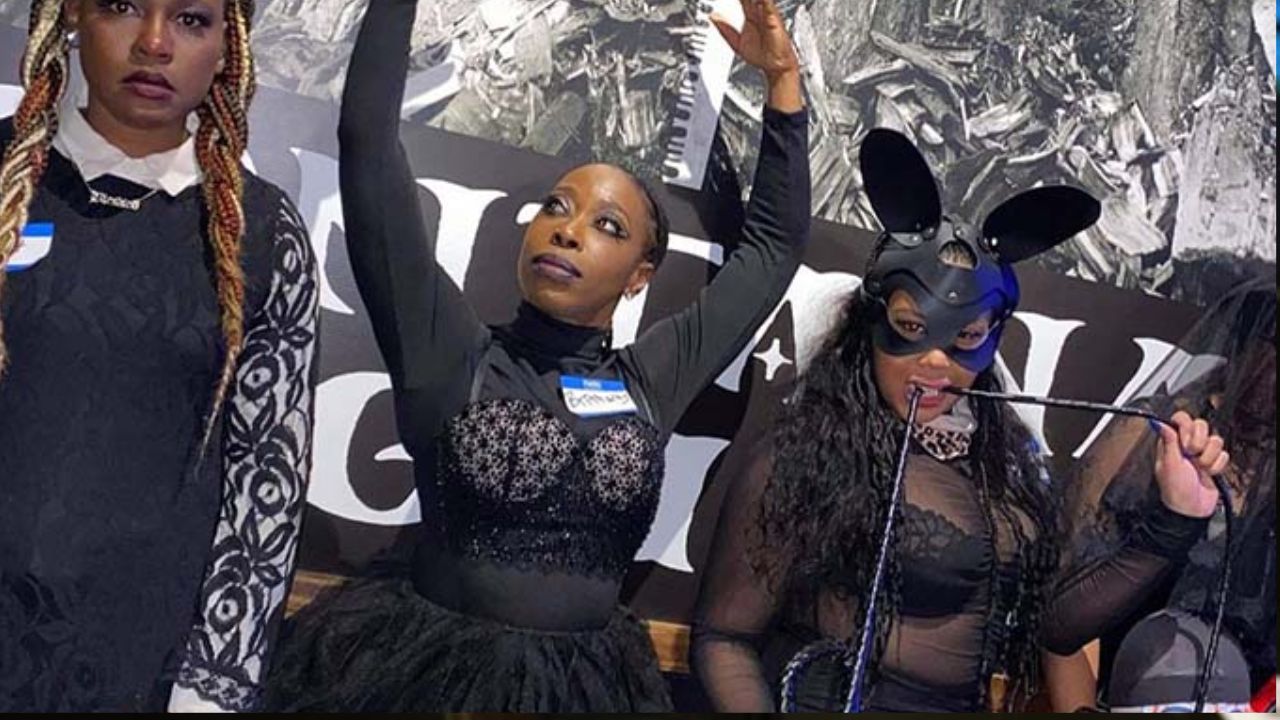
A facility buyout doesn’t mean just booking a lane or private pit, but reserving the whole venue for your event. That allows you to design your own mini music festival inside a structured, supervised environment.
This option works well for:
- Corporate celebrations
- Brand activation events
- Private ticketed music nights
- Large birthday or bachelor events
- Community micro festivals
As the venue has all the requirements, you do not need to engineer safety systems from scratch. Staff oversight, structured throwing lanes, and controlled guest entry are already part of the setup.
If you were asking, can you bring axe throwing to a music festival because you want energy, competition, and music in one place, a facility buyout might actually give you a cleaner, safer, and more controlled experience.
Sometimes scaling down the footprint makes the experience feel bigger.
Final Answer: Yes, If You Follow These 7 Rules
Axe-throwing can become a high-impact attraction at a music festival, as it draws attention, keeps guests engaged, and creates strong sponsor moments.
But it only works when safety, insurance, space planning, and crowd control come first. Partner with an experienced mobile provider, verify documentation, and plan the layout carefully.
When done right, it becomes one of the most talked-about zones at the event. And when done wrong, it creates stress you do not need. So the real question is not whether you can bring axe-throwing to a music festival. The real question is, are you ready to run it the right way?