If you’re wondering what the difference is between a hatchet vs axe, it’s simple. If we look at it in simple terms, a hatchet is small, one-handed, and built for camp tasks, while an axe is larger, two-handed, and made for heavy chopping. For most trips, the hatchet is the only one worth packing.
Especially when you’re going out, most people overthink this choice. You don’t need both tools for a weekend trip. You need the right one, and that depends on how you travel, what wood you handle, and how often you use it. That’s it.
So, let’s break it down clearly so you can buy it once and not regret it.
The 7 Key Differences Between a Hatchet and an Axe
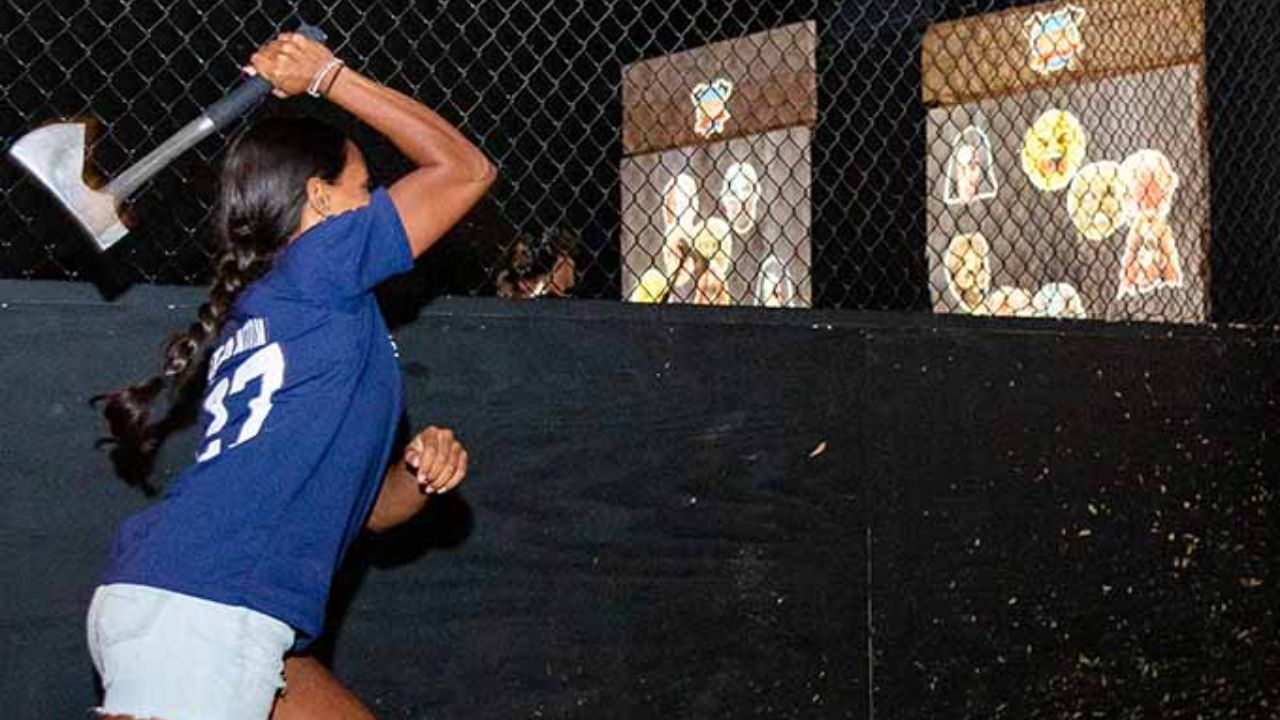
The biggest difference is size and how you use it. One fits in your backpack, while the other demands two hands and space to swing. That alone changes everything.
But there are seven clear differences that actually matter when buying.
| Difference | Hatchet | Axe |
| Handle Length | 12–16 inches | 24–36 inches |
| Head Weight | 1–3 lbs | 3–6 lbs |
| Use Style | One-handed | Two-handed |
| Main Use | Kindling, camp tasks | Felling trees, splitting logs |
| Portability | Easy to carry | Bulky and heavy |
| Control | High control, short swing | Lower control, longer swing |
| Skill Needed | Beginner-friendly | Needs practice |
Most people searching hatchet vs axe only need this table. But numbers alone don’t help you choose. You need more context and information to come to a conclusion.
Size and Weight – The Numbers You Need
The weight of the tools always hits first.
A hatchet usually weighs between 1 and 3 pounds, while an axe jumps to 3 to 6 pounds. That extra weight matters more than you think. Carry it for six miles, and you will feel it.
Now look at the length. Hatchets sit around 12 to 16 inches, and axes stretch from 24 to 36 inches. That size gap changes how you pack and swing the tool.
There is also a middle option. A camp axe runs about 18 to 24 inches. It bridges the gap, but it still leans closer to an axe in use.
The 7 Key Differences Between a Hatchet and an Axe
The difference between a hatchet and an axe is not just size. It changes how you carry, use, and control the tool. That matters more than people expect.
Here are the 7 clear differences you should know before buying:
1. Handle Length
A hatchet has a short handle that usually ranges from 12 to 16 inches. An axe has a much longer handle, and typically runs from 24 to 36 inches. That extra length gives power, but it also needs more space to swing. That’s something you should keep in mind.
2. Head Weight
Hatchet is lighter, with a head weight that sits between 1 and 3 pounds. Axes are heavier with head weights ranging from 3 to 6 pounds. Heavier tools hit harder, but they also tire you faster. Simple trade-off.
3. One-Hand vs Two-Hand Use
A hatchet is made for one-handed use. You can control it easily in tight spaces. An axe needs two hands and relies on full swings for power. This changes how you use the tool at a campsite, and that’s a big difference.
4. Primary Use
Hatchets are built for small tasks like kindling, trimming wood, or quick camp work. Axes are designed for heavy-duty work, such as chopping logs or cutting trees.
5. Portability
Hatchets are compact. They fit in backpacks or small gear bags. On the other hand, axes are bulky and harder to carry and store. If you are moving often, size matters.
6. Control and Precision
Since hatchets have short handles, they offer better control. This means they are tighter, safer swings. Axes offer less precision because long swings increase force but reduce control.
7. Skill and Safety Level
Hatchets are beginner-friendly. They are easier to learn and safer to handle. Axes need more skill. A missed swing can be dangerous due to a longer reach. Think about how often you will use it. That decides your comfort level.
What’s Good For Axe Throwing?
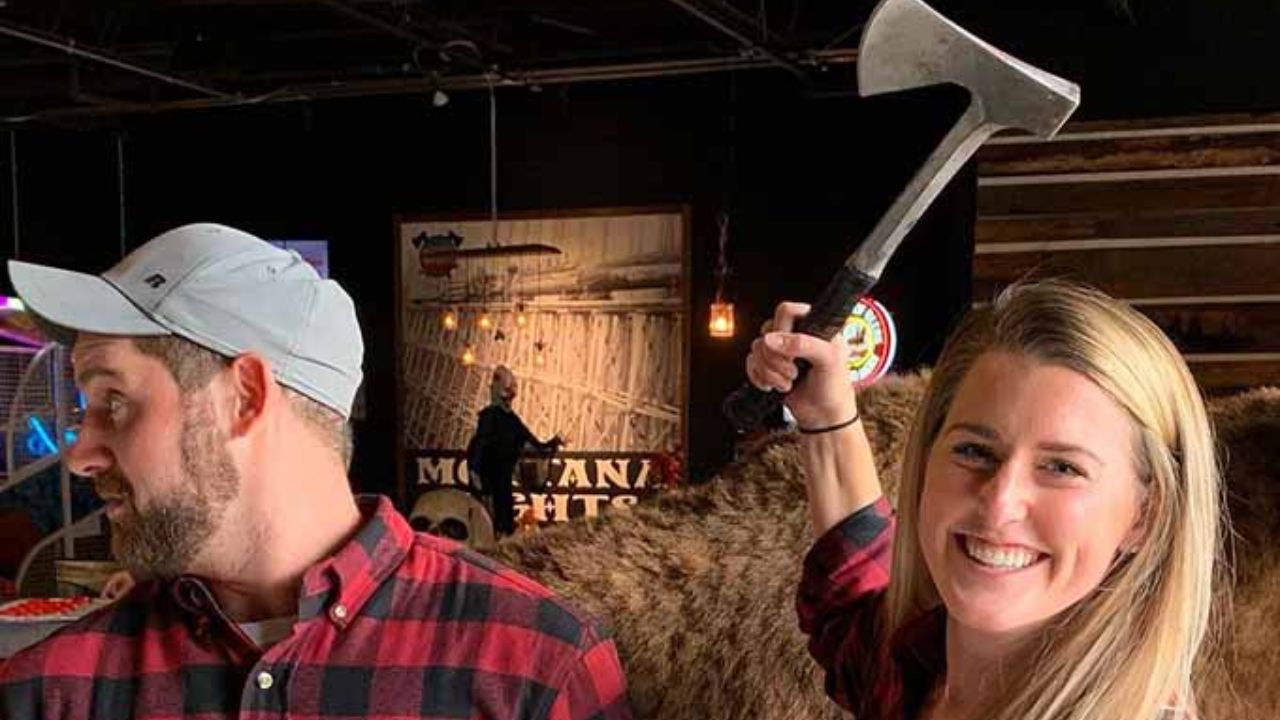
If you’re wondering what’s good for axe throwing, then the answer is Hatchets. Hatchets are the best choice for axe throwing as they are not full-sized axes. Also, in almost every modern axe-throwing venue, like Montana Nights Axe Throwing, people use hatchets (small throwing axes).
That’s not random, but based on control, safety, and how the axe rotates in the air.
1. Better control
Hatchets are lighter and shorter. You can aim them easily with one hand. That makes your throws more accurate. If you’ve ever tried throwing something heavy with precision, you’ll know how messy it can be.
2. Easier rotation
Axe throwing depends on one clean rotation before hitting the target. Hatchets spin smoothly because of their size. But a big axe over-rotates or hits flat, which can be quite frustrating.
3. Beginner-friendly
Most guides say the same thing: hatchets are the classic choice for beginners because they’re easier to handle. You don’t need strength to use this, but you do need correct timing.
4. Less tiring
Throwing is repetitive, which means you’ll throw 10-30 times in a session. A heavy axe will wear your arm out fast, but a hatchet keeps you consistent.
5. Safer in controlled spaces
Hatchets have shorter swings and less force, which reduces risk in indoor lanes or group settings. And safety matters a lot at these places.
What About Full Axes?
Full-sized axes are rarely used in standard games.
They show up in:
- Advanced competitions (big axe rounds)
- Lumberjack-style events
- Outdoor demonstrations
But for normal sessions, these are not needed as they are too heavy, risky, and too hard to control.
Handle Material and Build – What to Look for Before You Buy
Most people think wood handles are better, as they look great and feel classic. But they are not always the smart choice. Wood can crack if you miss your swing, and beginners sometimes miss.
Composite and fiberglass handles are different. They absorb shock and don’t split easily. That makes them a safer pick for casual users. In 2026, a good composite hatchet will cost about $40 to $70. That’s a fair price for something reliable.
Now look at construction. A full-tang design, where the metal runs through the handle, adds strength. It reduces break risk over time.
Safety: The One Difference That Matters Most for Infrequent Users
Safety is not equal between these tools. An axe carries more risk. The longer handle means a missed swing travels farther. That can hit your leg or foot fast and hard.
A hatchet keeps things closer. You work near the ground with shorter swings that reduce the danger zone. It gives you more control.
Another detail that matters is the back of a hatchet head. It is not always made for hammering. Some are not hardened, and if you hit it wrong, it can chip. So, check this before using it.
Conclusion
Overall, the hatchet wins. It is lighter, easier to use, and fits real campsite needs. That’s the call. An axe has its place, but it is not your everyday tool. It belongs in specific situations, not your standard packing list.
FAQs
1. Is a hatchet good for beginners?
Yes. It is easier to control and safer for first-time users. It works well for basic camp tasks.
2. Can a hatchet replace an axe?
For most camping trips, yes. It handles kindling and small wood tasks without extra weight.
3. Do I need an axe for firewood?
Usually not. Most campgrounds sell pre-cut wood. You only need to split small pieces.
4. What size hatchet is best for backpacking?
Look for 13 to 16 inches and under 2 pounds. It balances weight and performance.
5. Is a wooden handle better than fiberglass?
Not always. The wood looks nice, but it can crack. Fiberglass is tougher for casual use.