If you’ve ever gone to buy an axe, you often would’ve been asked one question: whether you want a hatchet or a tomahawk. Therefore, to know what’s better for your needs, you need to know what these types are.
Understanding the difference between a hatchet vs tomahawk is simple. A hatchet chops wood better, while a tomahawk throws better and feels lighter in the hand.
But many people mix them up. They look similar at first glance, as they both have a wooden handle and a steel head. And, both can cut wood too. So buyers assume they work the same. That assumption causes problems.
People buy the wrong tool and feel disappointed later. Some axes feel too heavy for work, and others don’t feel right about throwing. If you are choosing between them, a few basics help. Once you know the differences, the decision becomes easy.
Let us walk through the key mistakes people make.
Hatchet vs Tomahawk: What Is the Real Difference?
The biggest difference is purpose. A hatchet is a small chopping axe. Campers use it for woodworking. It splits kindling and cuts small branches well.
On the other hand, a tomahawk started as a Native American tool. It was light and easy to carry, and people used it for both tools and combat. Today, tomahawks are popular in throwing sports.
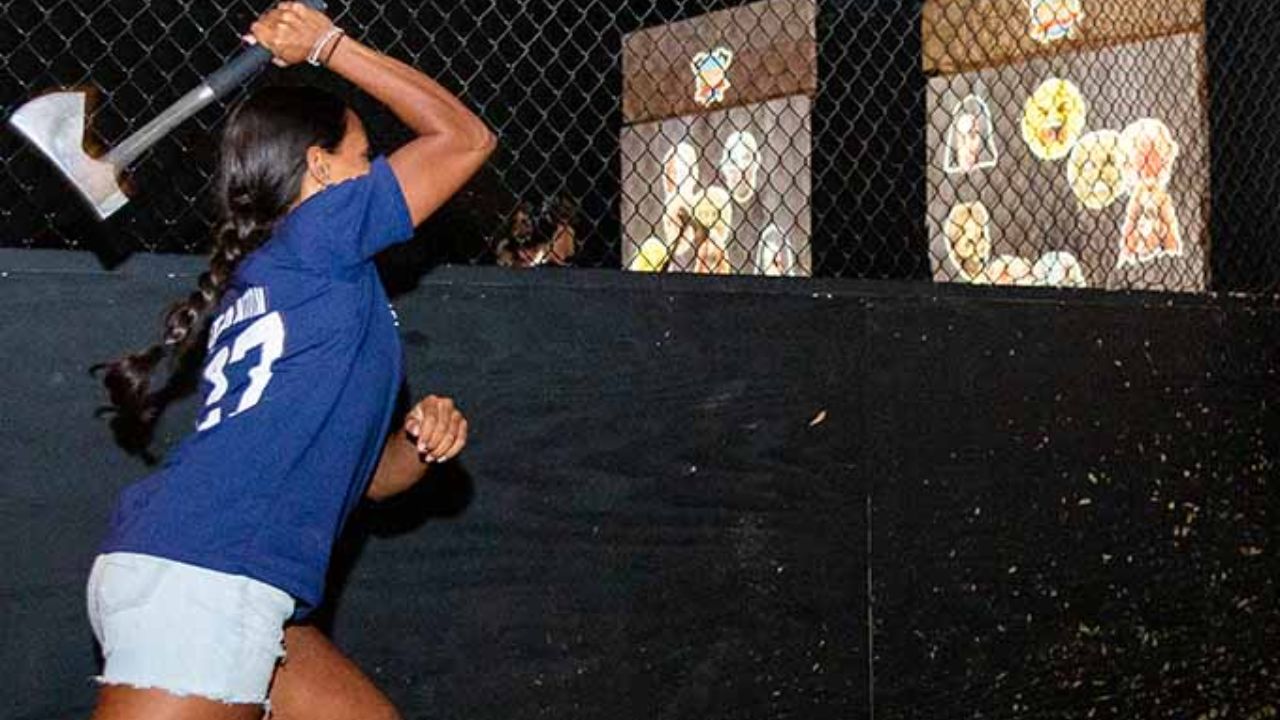
Even axe-throwing places like Montana Nights Axe Throwing use tomahawk axes as they give more stability to the throwers to throw it at the target and score their point.
Here are the main differences.
Hatchet
- Built mainly for chopping wood
- Shorter handle, usually 10–16 inches
- Thicker cutting edge
- Heavier head for strong strikes
Tomahawk
- Built for throwing and fast strikes
- Longer handle, often 16-22 inches
- Slimmer blade profile
- Lighter and easier to swing
Once you know this, choosing becomes easier. But beginners still make a few costly mistakes.
Mistake #1: Thinking Hatchet and Tomahawk Are the Same
Many buyers treat them as identical tools. They see a small axe and assume it works everywhere. But that rarely works well.
A hatchet handles repeated wood chopping easily. Its thicker blade survives heavy hits. While a tomahawk focuses more on balance and speed. It is not meant for splitting logs all day.
Imagine using a lightweight tomahawk to split firewood. It will struggle quickly, and as it has a thin blade, the thin edge may also chip.
Now imagine throwing a heavy hatchet. It will feel awkward and hard to rotate.
Before you buy, think about:
What will I use this tool for most?
- If you want firewood and camp tasks, pick a hatchet.
- If the goal is throwing or recreation, choose a tomahawk.
Mistake #2: Ignoring Weight and Balance
Weight affects control more than people expect. A hatchet usually weighs between 1 and 2 pounds. Most of that weight sits in the head. That heavy head drives power into wood.
Tomahawks feel lighter, weighing close to one pound. The lighter build helps them rotate smoothly during throws.
Here, balance also matters. When a tool feels balanced, your swing becomes smoother. This is why throwing venues like Montana Nights Axe Throwing use well-balanced axes. Using these axes, even beginners land their first successful throws faster.
An unbalanced tool feels frustrating as it does not do the job right. Therefore, always hold the tool before buying if possible. If it feels awkward, it probably is.
Mistake #3: Choosing the Wrong Handle Length
Handle length affects control and power. Hatchets usually have short handles. Most fall between 10 and 16 inches. This shorter handle gives better control while chopping.
Tomahawks often use longer handles. Many measure 16 to 22 inches. The extra length improves throwing rotation.
But beginners rarely think about this. A short handle makes throwing difficult because the axe cannot rotate correctly. On the other hand, a long handle can feel clumsy for wood chopping.
Think about your main use.
- Camping or woodwork: choose a shorter handle
- Throwing practice: choose a longer handle
- General outdoor use: mid-length tools work well
Handle length changes the entire feel of the tool.
Mistake #4: Picking a Tool Based on Looks
People often choose based on appearance. Some axes look aggressive and tactical, while others look traditional and simple. That can lead to poor performance.
Blade design changes how the tool behaves. Hatchet usually have thick edges, which is why they survive hard hits against wood. Tomahawks often have thinner blades, and their shape helps them stick into targets.
Some tomahawks also include extra features.
Examples include:
- Hammer backs for driving stakes
- Spike backs for tactical use
- Bearded blades for deeper cuts
These features look cool. But they are not always practical.
If you’re looking to throw the axe, choose a balanced head. But, if you’re looking for campwork, choose a strong chopping blade.
Mistake #5: Buying Cheap Steel
This is one mistake that ruins many tasks just due to one wrong choice. Cheap axes dull quickly, and some blades chip after light use.
Good axes use high-carbon steel, which keeps a sharp edge longer. It also handles repeated impact better. Whether it’s a hatchet or a tomahawk, good steel survives the impacts made on these axes without damage.
Cheap steel rarely lasts that long. Spending a little more usually means a better tool, which can save money later.
Mistake #6: Forgetting the Experience
Many people buy axes for practical reasons, and camping is one of them. Survival kits are another reason people buy axes.
But sometimes the goal is simply fun. Axe throwing has grown popular across the United States. It mixes skill, focus, and friendly competition. The right tool makes this experience much better.
A well-balanced tomahawk helps beginners stick their first throw quickly. That moment feels satisfying, and even many people get hooked instantly.
Most first-time throwers ask similar questions.
- Is this hard to learn?
- Will I actually hit the target?
- Is this safe for beginners?

The answer is usually yes. Most venues, including Montana Nights Axe Throwing, have professionals called AxeMasters who teach the basics first. After a few throws, the motion becomes natural, and soon you’re able to compete with friends for the best shot.
When a Hatchet Is the Better Choice
Hatchets still dominate outdoor work, and campers rely on them for simple tasks.
They work well for:
- Splitting kindling
- Cutting small branches
- Preparing firewood
- Driving tent stakes
Hatchets feel solid and dependable, and many hikers carry one for camp chores. If you plan serious woodwork, a hatchet remains the better choice.
When a Tomahawk Makes More Sense
Tomahawks work best for recreational use. They feel lighter and faster.
Many people prefer them for:
- Axe-throwing sports
- Backyard target practice
- Bushcraft tasks
- Lightweight outdoor carry
Their removable head design also helps. And if the handle breaks, it is easy to replace. This simple design has existed for centuries. Early tomahawks were built to be repairable in the wilderness.
Quick Comparison: Hatchet vs Tomahawk
Here is the simple breakdown and a side-by-side comparison so you can better understand what’s best for you.
| Feature | Hatchet | Tomahawk |
| Primary Purpose | Designed mainly for chopping wood and camp tasks | Designed for throwing, speed, and light outdoor use |
| Typical Handle Length | Shorter handle, usually 10-16 inches | Longer handle, usually 16-22 inches |
| Weight | Heavier head, often 1-2 pounds | Lighter overall, often around 1 pound |
| Balance | Weight concentrated in the head for powerful strikes | Balanced along the handle for smooth rotation |
| Blade Design | Thicker cutting edge for durability | Thinner blade for sticking into targets |
| Head Attachment | Usually fixed permanently to the handle | Often removable head for easy replacement |
| Best Use Cases | Camping, splitting kindling, cutting branches | Axe throwing, bushcraft, recreational use |
| Ease of Throwing | Harder to throw due to heavier head | Easier to throw because of balance and lighter weight |
| Durability in Heavy Chopping | Very durable for repeated wood cutting | Not ideal for heavy wood splitting |
| Repair and Maintenance | Handle replacement can be harder | Handles are easier to replace if damaged |
A Simple Way to Decide
Both types of axes have different designs and serve different purposes. Picture a weekend outdoors where you plan to build a campfire and cut branches. A hatchet fits that job perfectly.
Now picture a fun night with friends. You stand at an axe-throwing lane with a wooden target sitting right ahead of you. This is when a balanced tomahawk feels much better for that moment.
Choosing between a hatchet vs tomahawk becomes simple once you understand the purpose.